The right wire stripper can make electronics work faster, cleaner, and safer. The best models remove insulation without nicking delicate conductors, damaging stranded wire, or wasting time on repeated adjustments.
We compared 10 precision and general-purpose options across wire-gauge range, handling, cutting performance, adjustment features, and suitability for repair benches, hobby projects, and production work.
Best 10 Wire Strippers for Electronics Picks for 2026
Best Precision Pick
ENGINEER PA-14 Micro-Thin Wire Stripper

- Strips very fine solid and stranded wire
- Sharp jaws help protect conductors
- Spring-loaded, soft-grip design
Best For: Micro-thin electronics wiring and precision repair
Best for Electronics Repair
iFixit Mandible Wire Strippers

- Covers 30–10 AWG wire
- Spring-loaded auto-open handle
- Locking latch aids storage
Best For: General electronics repair across varied wire sizes
Best Traditional Tool
Klein Tools 11057 Wire Cutter/Stripper
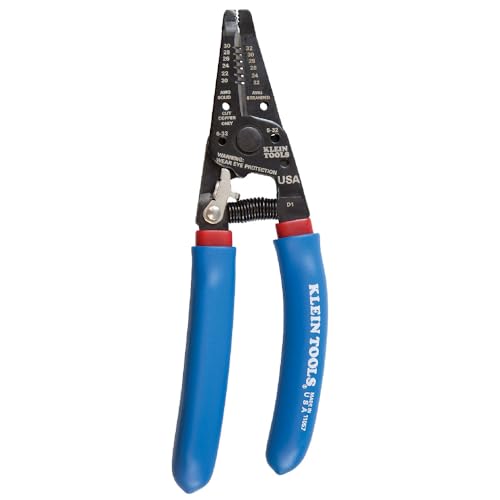
- Strips solid and stranded wire
- Cuts, loops, bends, and shapes conductors
- Spring-loaded with easy-to-read markings
Best For: Repair and installation work with common small wire gauges
Best Multi-Function Option
haisstronica 3-in-1 Self-Adjusting Stripper

- Strips, cuts, and crimps
- Covers the listed AWG 24–10 range
- Adjustable strip length and ergonomic grip
Best For: DIY and repair jobs needing one versatile tool
Best All-Around Pick

- Handles 10–18 AWG solid and 12–20 AWG stranded wire
- Combines stripping, cutting, looping, and shaping
- Made in the USA with comfort grips
Best For: General electronics and electrical wire preparation
Best Value for Fine Wires

- Strips 22–30 AWG wires
- Cuts copper and fine iron wires
- Includes a safety lock and TPE handle
Best For: Small electronic repair and DIY wiring
Best for Ultra-Fine Wire

- Strips 26–36 AWG wire
- Adjustable strip length from 0.039 to 2 inches
- Compact one-ounce design with lifetime warranty
Best For: Precision work on ultra-fine electronic wire
Versatile Two-Range Pick
DOWELL 2-Piece Wire Stripper Set

- Covers 10-22 AWG and 22-30 AWG wires
- Includes cutters, serrated noses, and safety locks
- Spring-loaded ergonomic TPR handles
Best For: Mixed-gauge electronics repairs and general electrical tasks
Precision Access Pick
WGGE Angled-Jaw Wire Cutter and Stripper

- Strips 10-20 AWG wires
- 22.5-degree angled jaws suit tight spaces
- Spring-loaded high-carbon steel construction
Best For: Circuit-board pins and confined electronics work
Compact Professional Pick
Klein Tools 11046 Wire Stripper

- Strips and cuts 16-26 AWG stranded wire
- Narrow nose fits confined spaces
- USA-made hardened alloy steel construction
Best For: Compact professional stripping and cutting of stranded wire
Best Precision Pick – ENGINEER PA-14 Micro-Thin Wire Stripper
For delicate electronics work, the ENGINEER PA-14 is a focused choice among wire strippers for electronics. Its sharp high-carbon steel jaws are designed for clean insulation removal on very small solid and stranded wires while helping protect the conductor.
Best For: Precision electronics repair involving micro-thin wire from AWG 34 through AWG 20, depending on conductor type.
Pros:
- Handles stranded AWG 34–22 and solid AWG 32–20 wire.
- Sharp jaws create a clean strip edge without deforming the copper core.
- Spring-loaded design, locking handles, and oil-resistant soft grips support comfortable use and storage.
Cons:
- Its narrow gauge range is specialized rather than suitable for heavier household wiring.
- It is a dedicated stripper rather than a multi-function cutting and crimping tool.
The PA-14 stands out when precision matters more than versatility. It is particularly well matched to fine-gauge electronics and repair benches.
Best for Electronics Repair – iFixit Mandible Wire Strippers
The iFixit Mandible is a practical option for electronics repair when you want a compact tool with broad wire coverage. It cuts, strips, and bends 30–10 AWG wire, while the spring-loaded handle helps reset the tool between jobs.
Best For: Electronics repair tasks using a range of 30–10 AWG wires.
Pros:
- Supports a relatively wide 30–10 AWG wire range.
- Strips insulation without harming the wire beneath, according to the supplied product details.
- Auto-open spring action and an easy locking latch improve repeated use and storage.
Cons:
- The supplied notes do not specify separate solid- and stranded-wire ranges.
- It is less specifically targeted to micro-thin wire than the precision-focused alternatives here.
With its broad range, ergonomic handle, and lifetime guarantee, the Mandible is a sensible general-purpose pick for repair work rather than highly specialized fine-wire stripping.
Best Traditional Tool – Klein Tools 11057 Wire Cutter/Stripper
The Klein Tools 11057 combines wire stripping with everyday electrical-work features, making it a dependable choice among wire strippers for electronics and repairs. Precision-ground holes cover common small-wire sizes, while the nose can grip, bend, and shape conductors.
Best For: Electronics, electrical repairs, and installations involving 20–30 AWG solid or 22–32 AWG stranded wire.
Pros:
- Strips the stated solid and stranded wire ranges with clearly marked sizes.
- Cuts, loops, bends, and shapes wire with its serrated nose and looping holes.
- Coil spring provides fast self-opening action, and it cleanly shears 6-32 and 8-32 screws.
Cons:
- The stated wire range does not cover the finest micro-thin conductors in this roundup.
- Its alloy-steel construction may be more tool than needed for simple precision stripping.
The 11057 is a strong fit for users who want a familiar manual stripper with extra wire-handling functions. Its clearly marked holes and self-opening action support efficient bench or field work.
Best Multi-Function Option – haisstronica 3-in-1 Self-Adjusting Stripper
The haisstronica 3-in-1 is designed for users who want one tool for stripping, cutting, and crimping. Its self-adjusting mechanism covers the listed AWG 24–10 range and includes an adjustable strip length, making it a flexible choice for electronics repairs and general DIY work.
Best For: DIY users and technicians who need stripping, cutting, and crimping for solid and stranded conductors.
Pros:
- Combines wire stripping, cutting, and crimping in one tool.
- Self-adjusting design supports the listed AWG 24–10 range and multiple conductor types.
- Adjustable strip length and rubber ergonomic grip add control and comfort.
Cons:
- Its listed range starts at AWG 24, so it is not intended for the finest micro-thin wires.
- The supplied notes do not identify the specific crimp-terminal sizes supported.
- Its multi-function design may be less specialized for precision stripping than a dedicated tool.
This is the most versatile option in the group for mixed repair tasks. Choose it when convenience and broad functionality matter more than dedicated micro-wire precision.
Best All-Around Pick – Klein Tools 11055EP
For general-purpose wire strippers for electronics, the Klein Tools 11055EP combines stripping, cutting, looping, and wire-shaping functions in one tool. Its precision-ground holes support 10–18 AWG solid and 12–20 AWG stranded wire, while the ergonomic grips are suited to repeated work.
Best For: Electronics and electrical projects involving a broad range of common solid and stranded copper wire.
Pros:
- Strips, cuts, and loops multiple solid and stranded wire sizes.
- Precision-ground stripping holes and shear-type blades support clean work.
- Serrated nose helps with bending, shaping, and pulling wire.
- Made in the USA with double-dipped comfort grips.
Cons:
- Its 10–18 AWG solid and 12–20 AWG stranded range may not suit very fine electronics wire.
- The tool is more substantial than a compact precision stripper.
This is a versatile choice when you want one durable hand tool for stripping and basic wire preparation rather than a tool dedicated to ultra-fine conductors.
Best Value for Fine Wires – DOWELL 22–30 AWG Stripper
The DOWELL is a practical option among wire strippers for electronics when your projects use smaller 22–30 AWG conductors. It strips and cuts wire, includes a safety lock for storage, and has a stainless-steel body with an ergonomic TPE handle.
Best For: Electronic engineering, repairs, and DIY work involving 22–30 AWG wire.
Pros:
- Designed for fine 22–30 AWG wires.
- Also cuts copper and fine iron wires.
- Safety lock helps protect the tool when it is not in use.
- Stainless-steel construction and an ergonomic TPE handle support regular handling.
Cons:
- Its specified range does not cover larger common wire sizes.
- The notes do not identify an adjustable strip-length stop.
Choose this model if fine-gauge compatibility matters more than broad wire-size coverage. It is especially well matched to small electronic repair tasks and compact wiring work.
Best for Ultra-Fine Wire – Jonard Tools ST-450
The Jonard Tools ST-450 is a specialized pick among wire strippers for electronics, built for very fine 26–36 AWG wire. Its adjustable stop sets strip lengths from 0.039 to 2 inches, while the compact one-ounce design is easy to keep at a workbench or carry in a toolkit.
Best For: Precision stripping of ultra-fine 26–36 AWG wires where repeatable strip lengths are useful.
Pros:
- Supports very fine 26–36 AWG wire.
- Adjustable stop allows strip lengths from 0.039 to 2 inches.
- Hardened steel blade is designed to cut through most wire insulation.
- Compact, lightweight design weighs only 1 ounce and includes a lifetime warranty.
Cons:
- Its 26–36 AWG range is too narrow for larger wire.
- It is specialized for precision stripping rather than a multifunction wire-cutting tool.
For miniature conductors, the adjustable stop is the main advantage. This focused design makes it a strong fit for repeatable fine-wire work, but less suitable as an all-purpose stripper.
Versatile Two-Range Pick – DOWELL 2-Piece Wire Stripper Set
For shoppers comparing wire strippers for electronics and general electrical work, this DOWELL set offers two tools covering both 10-22 AWG and 22-30 AWG solid and stranded wires. Clearly marked stripping holes, integrated cutters, and spring-loaded handles make it a practical choice for varied tasks.
Best For: Users who want broad wire-gauge coverage and a two-piece set for electronics, repairs, experiments, and light construction work.
Pros:
- Handles 10-22 AWG and 22-30 AWG wires across the two included tools.
- Easy-to-read precision stripping holes are designed for clean stripping without wire damage.
- Includes induction-hardened cutters, serrated gripping noses, safety locks, and ergonomic TPR handles.
- Spring-loaded opening action can reduce effort during repeated use.
Cons:
- The two-piece design may be more than needed if you only work with one wire-size range.
- The supplied specifications focus on copper and aluminum soft wires, so users needing other materials should verify compatibility.
Its combination of two gauge ranges and built-in gripping features gives this set useful flexibility. It is a particularly convenient option when electronics projects involve both smaller and mid-range wires.
Precision Access Pick – WGGE Angled-Jaw Wire Cutter and Stripper
When choosing wire strippers for electronics, compact access and controlled cuts can matter as much as gauge range. This WGGE tool combines stripping for 10-20 AWG wires with a high-carbon steel cutter, spring-loaded handle, and 22.5-degree angled jaws for tight areas.
Best For: Electronics work involving circuit-board component pins, confined spaces, copper or aluminum wires, and frequent one-handed cutting.
Pros:
- 22.5-degree angled jaws help reach confined or tight areas.
- Designed for precise cuts on electronic component pins and smooth wire snipping.
- Strips 10-20 AWG wires and cuts copper, aluminum, sheathed-core wires, cables, and insulated terminals.
- High-carbon steel construction and a spring-loaded, rubber-handled design support durable, comfortable use.
Cons:
- Its stated stripping range ends at 20 AWG, so it does not cover the smaller 22-30 AWG range listed for some electronics wiring.
- It is sold as a single tool rather than a multi-piece set.
The angled jaws are the defining feature here, making this a focused option for precise cutting and access around circuit boards. Consider it when tight-space handling is more important than maximum gauge coverage.
Compact Professional Pick – Klein Tools 11046 Wire Stripper
For electronics projects using stranded wire, the Klein Tools 11046 is a compact option among wire strippers for electronics. Its precision-ground holes cover 16-26 AWG stranded wire, while the narrow nose and self-opening spring support work in confined spaces.
Best For: Users who want a lightweight, USA-made stripper and cutter for 16-26 AWG stranded wire, especially in tight working areas.
Pros:
- Strips and cuts 16-26 AWG stranded wire.
- Compact, lightweight 6.25-inch design with a narrow nose for confined spaces.
- Precision-ground stripping holes and gauge markings on both sides aid consistent use.
- Made from heavy-duty hardened alloy steel with self-opening spring action.
Cons:
- The specified range is for stranded wire, so it may not be the right match for users primarily working with solid wire.
- It does not cover the smaller 28-30 AWG range listed by some precision electronics tools.
This tool emphasizes straightforward, compact operation and a useful 16-26 AWG stranded-wire range. Its narrow nose and dual-sided markings make it well suited to professional or repair work where access and repeatability matter.
How We Picked the Best Wire Strippers for Electronics
We focused on tools that address the needs of electronics work rather than relying only on heavy-duty electrical specifications. The selection includes precision strippers for micro-thin conductors, compact cutter-stripper designs, adjustable tools, and self-adjusting models for users who work across several wire sizes.
Our main considerations were stated solid and stranded wire ranges, stripping consistency, conductor protection, handle control, tool durability, and practical features such as spring-assisted opening, locking mechanisms, adjustable strip length, and angled or compact noses. Because no single stripper is ideal for every application, the list spans specialized and versatile designs.
Quick Comparison
| Best For | Look For | Most Suitable Tool Type |
|---|---|---|
| Micro-thin wire | AWG 32 and smaller ranges, precision jaws | Precision stripper |
| General electronics repair | Compact body, controlled cutting, spring return | Manual cutter/stripper |
| Several wire sizes | Broad range or self-adjusting mechanism | Adjustable or automatic stripper |
| Repeated bench work | Comfortable handles, consistent stripping, durable blades | Ergonomic precision tool |
| Occasional projects | Simple operation and affordable replacement | Basic manual stripper |
Key Buying Factors for Wire Strippers for Electronics
Wire-Gauge Compatibility
Check both the solid and stranded wire ranges before buying. Electronics projects often use smaller conductors than household wiring, and a tool designed for 10–22 AWG may not handle very fine 30–36 AWG wire reliably. Match the stripper to the wire you use most often, not just its maximum range.
Precision and Conductor Protection
A good electronics stripper removes insulation cleanly while leaving copper strands intact. Fixed-gauge precision jaws can offer excellent consistency when your wire sizes are predictable. Adjustable designs are more flexible but require careful setup, especially with fragile insulation or unusually small conductors.
Manual Versus Self-Adjusting Operation
Manual strippers generally provide direct feedback and a compact profile, making them useful for precise bench work. Self-adjusting models can speed up repetitive jobs and accommodate multiple diameters, although their mechanisms may be bulkier and less ideal for extremely fine wire.
Cutters, Handles, and Access
Integrated cutters are convenient for trimming leads, but verify whether they are intended for copper wire and the sizes you need. Spring-loaded handles reduce hand fatigue, while compact or angled noses help when working inside enclosures, connectors, and crowded circuit assemblies.
Who Should Buy Which Wire Strippers for Electronics?
Choose a dedicated precision stripper if you regularly work with tiny hookup wire, sensor leads, model wiring, or delicate electronics. A compact manual cutter/stripper is the better all-around choice for repair technicians and hobbyists who value control and easy storage. If your projects span many wire sizes, consider an adjustable or self-adjusting model, but confirm that its lower end reaches your thinnest conductor.
For a shared workshop or occasional repairs, a straightforward, durable stripper with a useful mid-range gauge span is usually the best value. Users who perform repetitive stripping should prioritize spring-assisted handles, consistent jaws, and a comfortable grip. Always verify the manufacturer’s wire-size limits, use the correct cutting capacity, and test the tool on scrap wire before working on a finished assembly.