The right backpacking tent balances low weight, livable space, weather protection, and a setup you can manage after a long day on the trail. Our 2026 roundup compares 10 options ranging from compact solo shelters to roomier two-, three-, and four-person designs.
Use the comparisons below to narrow your choice by trip length, climate, occupants, packed size, and budget. Then review the buying guide for the features that matter most when every ounce and inch in your pack counts.
Best 10 Camping Tents for Backpacking Picks for 2026
Best Lightweight 2-Person Pick
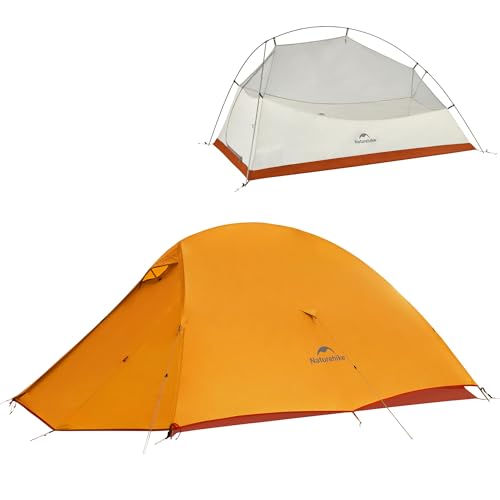
- About 4.25 lb without footprint
- PU 3000mm+ waterproofing and taped seams
- Includes footprint and vestibule
Best For: Two-person three-season backpacking
Best Four-Season Value
Clostnature 4-Season Backpacking Tent
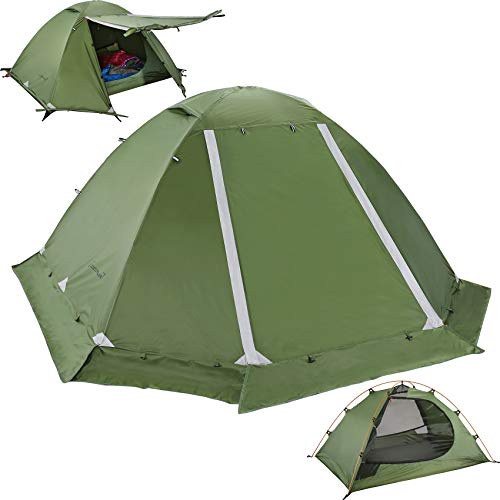
- Snow flaps and PU 5000-coated materials
- Two doors and two vestibules
- 6.28 lb total weight with aluminum poles
Best For: Cold-weather and winter backpacking
Best Quick-Setup Solo Shelter
Night Cat Upgraded Backpacking Tent

- Approximately one-minute clip setup
- 4.4 lb solo tent with compact pack size
- PU 3000 rain protection and mesh ventilation
Best For: Solo trips and quick overnight shelters
Best Trail-Ready Classic

- 30 sq. ft. interior with 44-inch peak height
- Freestanding aluminum frame
- Quick setup features and vestibule storage
Best For: Two-person three-season trail trips
Best All-Weather Value
Clostnature 2-Person Backpacking Tent

- PU 5000 coating and sealed seams
- Two doors and two vestibules
- 4.5-pound minimum trail weight
Best For: Backpackers seeking weather protection and practical storage
Best Ventilation Design
ShinHye 2-Person Backpacking Tent

- Large mesh sections for airflow
- PU 5000-coated double-layer design
- Two doors with dual zippers
Best For: Campers prioritizing ventilation and easy setup
Best Budget-Friendly Option

- Compact two-person double-layer design
- Two doors with mesh ventilation
- PU2000mm rainfly and aluminum poles
Best For: Value-focused couples and casual backpackers
Solo Storm Shelter
Lightweight 1-Person Backpacking Tent

- 3.75-pound, three-minute setup
- 3500–4000mm water-resistant outer tent
- Extended 8.2-foot interior
Best For: Solo backpackers needing lightweight, weather-focused shelter
Two-Door Trail Basecamp
2-Person Waterproof Backpacking Tent

- Two doors and two vestibules
- 3000mm waterproofing with welded floor
- 5.5-pound aluminum-pole setup
Best For: Two-person hiking trips needing access and vestibule storage
Rapid-Setup All-Weather Duo
2-Person Backpacking Tent with Two Vestibules

- Three-minute setup and quick removal
- Two doors plus two vestibules
- Taped seams and bathtub-style groundsheet
Best For: Pairs wanting quick setup and covered gear storage
Best Lightweight 2-Person Pick – Cloud-Up 2 Backpacking Tent
For hikers comparing camping tents for backpacking, the Naturehike Cloud-Up 2 offers a practical balance of low weight, weather protection, and two-person space. It weighs about 4.25 pounds without the footprint, packs down compactly, and uses a freestanding, double-layer design for three-season trips.
Best For: Two backpackers who want a relatively light, freestanding tent with a vestibule and included footprint.
Pros:
- Waterproof PU 3000mm+ polyester fabric with taped seams
- Double-layer construction and B3 mesh promote airflow
- Includes footprint, 14 stakes, and a vestibule for gear storage
- Larger upgraded front door and added ventilation window
Cons:
- At roughly 4.25 pounds, it is not the lightest option for an ultralight setup
- One door may be less convenient for two occupants than a dual-door layout
The Cloud-Up 2 is a strong all-around choice when you want dependable rain protection and useful features without moving to a heavier traditional camping tent. Its included footprint also adds value for backpackers building a complete shelter system.
Best Four-Season Value – Clostnature 4-Season Backpacking Tent
If your camping tents for backpacking need to handle colder conditions, the Clostnature 4-Season Backpacking Tent emphasizes weather protection and snow-ready features. Its polyester fly and bathtub floor use PU 5000 coating, while snow flaps and a double-layer door support winter-oriented use.
Best For: Backpackers seeking a four-season shelter with two doors, two vestibules, and added cold-weather features.
Pros:
- Snow flaps help seal out spindrift
- Two D-shaped doors and two vestibules improve access and storage
- Freestanding aluminum-pole design supports quick setup
- Includes a pole repair kit and one-year guarantee
Cons:
- At about 6.28 pounds total, it is heavier than the other listed options
- The supplied specifications contain differing water-resistance figures, so verify current listing details
- Four-season construction may be more shelter than fair-weather backpackers need
This tent makes the most sense when winter capability, vestibule space, and durability matter more than minimizing pack weight. It is a feature-rich option for cold-weather trips, though its heavier carry weight should be part of the packing plan.
Best Quick-Setup Solo Shelter – Night Cat Upgraded Backpacking Tent
The Night Cat Upgraded tent is a convenient choice among camping tents for backpacking when fast pitching and compact packing are priorities. Its clip-based pole attachment takes about one minute to assemble, and the one-person layout includes a small vestibule for shoes or nearby gear.
Best For: Solo hikers, scouts, and motorcycle campers who value simple setup and a compact packed size.
Pros:
- Clip setup takes approximately one minute
- About 4.4 pounds with a compact 16.5-by-4.7-by-4.7-inch package
- PU 3000-coated fly and floor with taped seams provide rain protection
- Mesh door and roof window encourage ventilation
Cons:
- Designed primarily for one adult, with limited room for a second child
- Fiberglass poles are less suited to weight-focused setups than aluminum poles
- Only one door and two guylines are listed
Choose the Night Cat when an uncomplicated pitch matters more than maximizing interior space or minimizing every ounce. Its solo-friendly footprint, attached rainfly, and ventilation features make it practical for short backpacking and general outdoor trips.
Best Trail-Ready Classic – Kelty Grand Mesa 2P Tent
The Kelty Grand Mesa is a straightforward three-season option for shoppers comparing camping tents for backpacking. It combines a freestanding aluminum frame, 30 square feet of interior space, a seam-taped polyester fly and floor, and a vestibule for protected storage.
Best For: Two-person backpacking trips where easy pitching, proven freestanding support, and practical interior space are priorities.
Pros:
- Freestanding aluminum-pole design weighs 4 pounds 7 ounces packed
- 30 square feet of interior space with a 44-inch peak height
- Quick Corners, color-coded clips, and fly attachments simplify setup
- EZ-Zip vestibule adds protected outside storage
Cons:
- Single-door design offers less access flexibility for two people
- At 4 pounds 7 ounces, it is not an ultralight shelter
- Only 3 square feet of vestibule area is listed
The Grand Mesa 2P is a sensible pick for backpackers who want a familiar, easy-to-pitch shelter rather than a highly specialized design. Its freestanding frame and useful 30-square-foot interior make it well suited to regular three-season trail use.
Best All-Weather Value – Clostnature 2-Person Backpacking Tent
For shoppers comparing camping tents for backpacking, the Clostnature 2-person model combines a relatively light 4.5-pound minimum trail weight with a PU 5000-coated rain fly, groundsheet, and bathtub floor. Its freestanding design, two doors, and two vestibules make it practical for three-season trips where packability and weather protection both matter.
Best For: Backpackers who want strong rain protection, dual entry, and vestibule storage without moving to a more specialized ultralight shelter.
Pros:
- PU 5000 coating and factory-sealed seams provide substantial waterproofing.
- Two doors and two vestibules improve access, ventilation, and gear storage.
- Freestanding aluminum-pole setup is designed for quick, one-person pitching.
- Packs to 16.5 by 5.9 by 5.9 inches and includes stakes, guylines, and a pole repair kit.
Cons:
- Total weight is 5.29 pounds, heavier than many minimalist backpacking tents.
- It is a three-season tent rather than a dedicated winter shelter.
Overall, this is a balanced choice for hikers who prioritize dependable wet-weather coverage and convenient two-person livability over the absolute lowest pack weight.
Best Ventilation Design – ShinHye 2-Person Backpacking Tent
The ShinHye 2-person tent is a useful option among camping tents for backpacking when airflow and straightforward setup are priorities. It uses a double-layer construction, large mesh sections, two doors, and aluminum poles, while its PU 5000-coated rain fly and floor are designed for wet three-season conditions.
Best For: Backpackers who value ventilation, dual-door access, and a roomy double-layer layout for hiking, bikepacking, or casual outdoor trips.
Pros:
- Large mesh areas and two doors support cross-ventilation in warm conditions.
- PU 5000 coating and double-stitched sealed seams are designed for heavy-rain protection.
- Freestanding aluminum-pole structure supports single-person setup.
- Includes a lantern hook and mesh pocket for small essentials.
Cons:
- The listed weight is 2.3 kg, so it may not suit hikers focused on ultralight loads.
- Only three-season use is specified.
With its emphasis on airflow and easy pitching, the ShinHye is a practical all-around shelter for campers who want comfort and weather coverage rather than a highly specialized alpine design.
Best Budget-Friendly Option – BISINNA 2-Person Camping Tent
The BISINNA 2-person tent offers a budget-conscious entry into camping tents for backpacking, with a compact packed size, aluminum poles, two doors, and a double-layer design. Its PU2000mm rainfly is intended for water resistance, while the mesh interior helps improve airflow during three-season outings.
Best For: Couples and casual backpackers who want an affordable, roomy two-person tent for hiking, car camping, fishing, or bikepacking.
Pros:
- Roomy two-person floor plan includes two doors and a vestibule area.
- Lightweight aluminum poles and a freestanding design support straightforward setup.
- Packs to approximately 16.9 by 5.9 by 5.9 inches for carrying in a backpack.
- Includes 10 aluminum stakes, two ropes, and a two-year manufacturer warranty.
Cons:
- Its PU2000mm water resistance is lower than the PU5000 rating of the other listed options.
- The stated setup time is under 10 minutes, slower than a quick-pitch design.
- The supplied details list a 4.7-pound item weight and a 6-pound minimum trail weight.
The BISINNA makes sense for recreational trips and value-focused buyers who want useful two-person features, though frequent wet-weather or weight-conscious backpackers may prefer a lighter model with a higher waterproof rating.
Solo Storm Shelter – Lightweight 1-Person Backpacking Tent
For solo hikers seeking camping tents for backpacking, this four-season model emphasizes low weight, quick setup, and protection from wet, windy conditions. It weighs 3.75 pounds, uses a single ridge pole, and offers an extended 8.2-foot interior for taller sleepers or extra gear.
Best For: Solo backpackers who want a compact, weather-resistant tent with room for a longer sleeping setup.
Pros:
- Lightweight 3.75-pound design with an estimated three-minute setup.
- 3500–4000mm water resistance, taped seams, and a full outer tent for rain protection.
- 8.2-foot length provides useful space for taller campers and personal belongings.
- Aluminum pole and rip-stop fabric are designed to improve stability in strong wind.
Cons:
- One-person capacity limits interior space and storage flexibility.
- Single-pole, one-door design is less convenient than larger multi-door tents.
This is a practical choice when packability and weather coverage matter more than interior room. Its long floor and straightforward setup make it especially appealing for solo trips, while the single-person layout keeps the design focused and efficient.
Two-Door Trail Basecamp – 2-Person Waterproof Backpacking Tent
This Forceatt model is a balanced option among camping tents for backpacking, pairing a two-person interior with two doors and two vestibules. Its aluminum poles, welded floor, full-coverage rainfly, and 5.5-pound packed weight make it suited to shared hiking and camping trips.
Best For: Two-person backpacking teams wanting separate entry points, vestibule storage, and fast setup.
Pros:
- Two D-shaped doors and two vestibules improve access and gear storage.
- 3000mm waterproof rating, welded floor, and full-coverage rainfly help protect against wet ground and rain.
- 7001-series aluminum poles and reflective guylines support wind resistance.
- Mesh window and two ceiling vents encourage airflow and help limit condensation.
Cons:
- At 5.5 pounds, it is heavier than many minimalist solo shelters.
- The 43.3-inch interior height is suited to sitting rather than standing.
With a 32.67-square-foot floor and convenient dual-entry layout, this tent prioritizes livability without abandoning backpacking portability. It is a sensible middle ground for hikers sharing a shelter and carrying moderate gear.
Rapid-Setup All-Weather Duo – 2-Person Backpacking Tent with Two Vestibules
For campers comparing camping tents for backpacking, this two-person Forceatt tent combines a relatively compact 5.68-pound package with quick assembly and two vestibules. Its taped seams, bathtub-style groundsheet, aluminum poles, and rainfly are designed for use across varied weather conditions.
Best For: Pairs who value fast setup, two-sided access, and covered storage for packs or footwear.
Pros:
- Two doors and two side vestibules make entry and gear organization easier.
- PU-coated rainfly and groundsheet, bathtub construction, and taped seams support water protection.
- Reported three-minute setup and less-than-two-minute removal save time at camp.
- Large mesh window and two ceiling vents promote airflow.
Cons:
- At 5.68 pounds, it is not the lightest choice for weight-conscious backpackers.
- The listed 86.6-by-51.1-inch floor is sized for two rather than roomy group camping.
This tent stands out for convenience: it offers dual entry, vestibule space, ventilation, and a quick breakdown process. It suits two-person trips where efficient camp routines and weather coverage are more important than ultralight weight.
How We Picked These Camping Tents for Backpacking
We selected this range of Camping Tents for Backpacking to cover the most common trail needs: solo trips, two-person backpacking, occasional car camping, three-season use, and colder or wetter conditions. We considered stated capacity, construction, pole materials, rainfly and floor protection, packed portability, setup convenience, and the practical trade-offs between weight and interior room.
Because specifications can vary by size and seller, verify the exact model, packed weight, dimensions, and included accessories before ordering. A footprint, for example, may be included with some versions but sold separately with others.
Quick Comparison
| Best for | Look for | Likely trade-off |
|---|---|---|
| Solo ultralight trips | One-person capacity and compact packed size | Less room for gear and changing clothes |
| Two-person backpacking | Two doors, a vestibule, and a livable floor plan | More weight than a solo shelter |
| Budget-focused camping | Aluminum poles, rainfly, and sealed protection | Heavier fabrics or bulkier packing |
| Cold or stormy conditions | Four-season structure, strong poles, and high waterproof ratings | Extra weight and reduced ventilation |
| Small groups | Three- or four-person capacity | Significantly larger packed volume |
Key Buying Factors for Camping Tents for Backpacking
Weight and Packed Size
Compare trail weight and packed dimensions, not just the product headline. If two people share the load, divide the tent, poles, and footprint between packs. A slightly heavier tent may be worthwhile if it provides better weather protection or enough room to avoid cramped sleeping arrangements.
Capacity and Interior Layout
Rated capacity describes how many sleeping pads fit, not how comfortable the tent will feel. Solo hikers who store equipment inside may prefer extra room, while couples should prioritize width, headroom, two doors, and a vestibule. Check floor dimensions against your sleeping pads.
Weather Protection
Look for a full-coverage rainfly, a bathtub-style floor, durable seams, reliable pole architecture, and useful guy-out points. Waterproof ratings are helpful but do not replace proper site selection, seam protection, and careful pitching. Four-season designs are better for snow and severe exposure but can be warmer and less airy in mild weather.
Ventilation and Setup
Mesh panels, adjustable vents, and multiple doors reduce condensation and improve comfort. Freestanding designs are convenient on hard or uneven ground, while clip-based or simple pole systems can speed setup. Practice at home before your first overnight trip.
Who Should Buy Which Camping Tents for Backpacking?
Solo backpackers: Choose a compact one-person tent when minimizing pack weight is the priority, but consider a two-person model if you carry bulky gear or want more room.
Couples and two-person teams: A two-person shelter with two doors and a vestibule is usually the best balance of comfort, access, and shared load.
Budget-conscious hikers: Focus on aluminum poles, a complete rainfly, adequate floor coverage, and trustworthy setup instructions before paying extra for marginal weight savings.
Hikers facing shoulder-season storms: Favor stronger construction and four-season features when wind, cold, or snow is expected. For warm, dry summer routes, prioritize ventilation and low weight instead.