Power surges can damage expensive electronics in an instant, whether they come from lightning, grid switching, or high-demand appliances cycling on and off.
This roundup of the best surge protection devices of 2026 helps you compare whole-home, HVAC, and point-of-use options so you can match the right level of protection to your setup.
Best 10 Surge Protection Devices Picks for 2026
Whole-Home Protection
Square D HEPD80 80kA Surge Suppressor

- Protects devices connected to the home’s electrical system
- 80kA rating for whole-house surge suppression
- LED indicator shows when replacement is needed
Best For: Homeowners wanting panel-mounted surge protection for the entire house
Desk-and-Bedside Hub
Anker 12-Outlet 2100J Power Strip

- 12 AC outlets plus USB-C and USB-A charging
- 2100J surge protection with 8-point safety system
- 5 ft cord and spaced outlets fit desks and bedside tables
Best For: Desks, bedside tables, and dorm rooms needing many outlets
Panel-Mounted Circuit Protection
Square D Homeline SurgeBreaker 25kA

- Protects circuits and receptacles throughout the home
- Plug-on installation for Homeline load centers
- LED indicator and UL 1449 listing
Best For: Compatible Homeline panels needing breaker-mounted surge protection
High-Capacity Outlet Strip
ALESTOR 12-Outlet 2700J Surge Protector

- 12 AC outlets plus 4 USB ports
- 2700J surge protection with overload protection
- Wide outlet spacing and ETL-certified design
Best For: Apartments, offices, and TV setups needing lots of ports
Best for Easy Setup

- 36kA per phase whole-home surge protection
- Type 1 SPD installs without using breaker spaces
- NEC 2023 compliant for new builds and renovations
Best For: Whole-home electrical protection at the service entrance
Desktop Charging Hub

- 12 AC outlets and 4 USB ports for 16 devices
- 1800J surge protection plus overload safety
- Vertical tower design saves desk and floor space
Best For: Desks, dorms, and home offices needing multi-device charging
Load Center Upgrade

- 35kA surge protection per phase
- Plugs directly into compatible Siemens load centers
- Mechanical green/red status indicator
Best For: Siemens panel owners wanting a simple indoor SPD
Compact Outlet Guard
Cable Matters 1350J Single Outlet Surge Protector

- 1350-joule single-outlet protection
- ETL listed with LED status indicator
- Compact wall-mounted design
Best For: A single plug in tight spaces
HVAC Defense Pick
Intermatic AG3000 HVAC Surge Protective Device
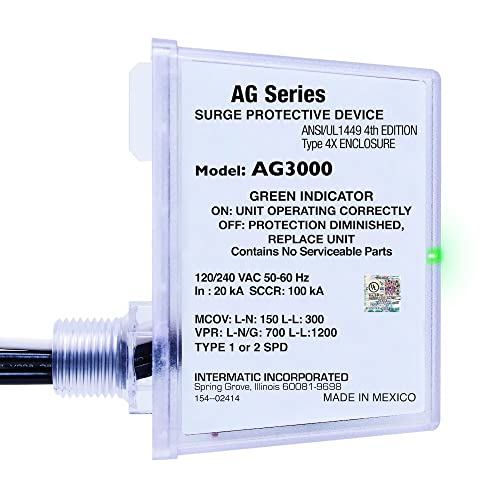
- Three-mode protection for HVAC systems
- TPMOV technology with green LED status
- Type 4X watertight, UV-resistant enclosure
Best For: HVAC gear and outdoor-rated installs
Panel Mount Upgrade
Type BR Two-Pole Circuit Breaker Surge Protective Device
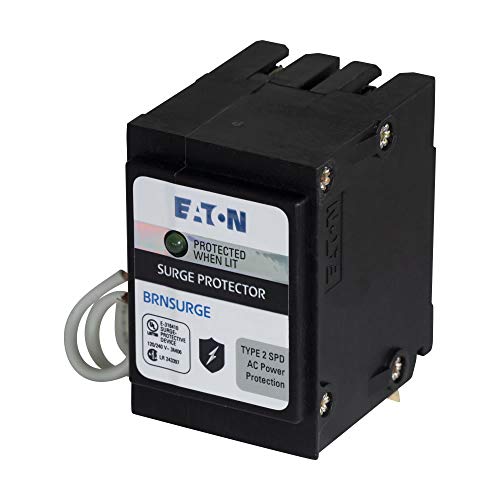
- Two-pole panel-mount design
- 240V and 18kA rating
- Built for Type BR breaker panels
Best For: A Type BR breaker-panel installation
Whole-Home Protection – Square D HEPD80 80kA Surge Suppressor
Square D HEPD80 Universal Whole House Surge Protection Device, 1-Phase, 3-Wire for 120/240V, 80kA
Check Price On AmazonIf you want surge protection devices that cover more than just a few plugged-in gadgets, the Square D HEPD80 is built for whole-home use. It installs in a residential load center and protects electronics and appliances connected to the home’s electrical system, including equipment that is not on a power strip.
Best For: Homeowners who want a whole-house surge suppressor for broad protection at the panel.
Pros:
- Whole-home coverage for devices connected to the home’s system
- 80kA surge protection rating for strong protection capacity
- LED status indicator makes replacement checks easier
- Compact design for installation in a residential load center
Cons:
- Requires installation in the home’s load center
- Does not function like a plug-in power strip
This is the right pick when you want a centralized approach instead of protecting devices one outlet at a time. The panel-mounted design and simple status indicator make it a practical choice for broad residential surge coverage.
Desk-and-Bedside Hub – Anker 12-Outlet 2100J Power Strip
Among surge protection devices for desks, bedrooms, and shared spaces, this Anker power strip stands out for combining outlet capacity with USB charging. It offers 12 AC outlets plus USB-C and USB-A ports, along with surge protection and other built-in safety features.
Best For: People who need a high-outlet surge protector for a desk, bedside table, or dorm setup.
Pros:
- 12 AC outlets plus 3 USB ports for mixed-device charging
- 2100J surge protection rating
- 20W USB-C port can fast charge a compatible iPhone
- 8-point safety system includes surge, overload, and temperature protection
Cons:
- USB output is shared across all USB ports
- 5 ft cord may be limiting for farther outlets
This is a practical choice if you want one strip to handle both power bricks and charging cables. The outlet spacing and safety features make it especially useful where multiple devices need to sit close together.
Panel-Mounted Circuit Protection – Square D Homeline SurgeBreaker 25kA
If you want surge protection devices installed at the panel rather than at the outlet, the Square D Homeline SurgeBreaker is designed for that role. It provides protection to circuits and receptacles throughout the home and is intended for use in service entrance locations, CSEDs, and Homeline load centers.
Best For: Homeowners using a Homeline load center who want plug-on surge protection at the breaker panel.
Pros:
- Provides equal protection to circuits and receptacles throughout the home
- LED indicator helps show device status
- Can be used in service entrance locations, CSEDs, and Homeline load centers
- Plug-on installation with UL 1449 3rd Edition listing
Cons:
- Requires 2 spaces in the load center
- More specialized than a plug-in surge strip
This model makes sense when you want panel-level protection without moving to a whole-house suppressor with a larger profile. It is a straightforward option for compatible electrical setups that need broad circuit coverage.
High-Capacity Outlet Strip – ALESTOR 12-Outlet 2700J Surge Protector
For buyers comparing surge protection devices in strip form, the ALESTOR model offers a lot of outlets and a strong joule rating in one compact unit. It combines 12 AC outlets, 4 USB ports, and a 6-foot heavy-duty cord, making it useful for shared workspaces and entertainment areas.
Best For: Users who want a surge-protected power strip with many outlets and USB charging in one unit.
Pros:
- 12 AC outlets and 4 USB ports for multiple devices
- 2700J surge protection rating with overload protection
- Widely spaced outlets help fit larger adapters
- ETL safety certified with flame-retardant housing
Cons:
- Bulky adapters may still crowd some outlets
- Best suited to indoor setups like apartments, TV cabinets, and offices
This is a strong all-in-one option if you need both surge defense and charging flexibility. The high outlet count and spaced layout make it especially practical where several devices share one power source.
Best for Easy Setup – ABB THOMESURGEP Type 1 SPD
If you want surge protection devices that are built for whole-home use, this ABB Type 1 SPD is designed to guard sensitive electronics and appliances at the service entrance or in a sub-panel. It’s a practical option for new construction or renovation when you want compliant protection without giving up breaker space.
Best For: Homeowners and contractors looking for an NEC 2023-compliant whole-home surge protector with easy installation.
Pros:
- 36kA protection per phase for whole-home surge defense
- Type 1 design installs without occupying breaker spaces
- NEC 2023 Art. 230.67 compliant for new builds and upgrades
- LED indicator and universal load center compatibility
Cons:
- Needs service entrance or sub-panel installation
- Less suited to simple plug-in use at a desk or room outlet
This is a straightforward choice if your priority is broad household protection rather than a portable strip. The external-mount, contractor-friendly design makes it a strong fit for users who want a dedicated SPD with clearly stated ratings and compliance.
Desktop Charging Hub – 16-in-1 Surge Protector Tower
Among compact surge protection devices for desks and shared spaces, this tower-style power strip is built to turn one outlet into a multi-device charging hub. It combines wide-spaced AC outlets, USB ports, and 1800J surge protection in a vertical design that helps keep clutter down.
Best For: Home, office, or dorm setups that need a space-saving charging station with USB and surge protection.
Pros:
- 12 AC outlets plus 4 USB ports for up to 16 devices
- 1800J surge protection with overload, short-circuit, and over-current protection
- Flat plug and 6ft cord make it easier to place behind furniture
- Compact vertical tower helps keep a desk organized
Cons:
- Built for indoor charging, not whole-home electrical protection
- USB output is useful, but not a substitute for a dedicated charger in every case
This is a good fit when you need one central strip for lots of low- to mid-power devices. The tower layout and mixed outlet options make it more practical than a basic power strip for everyday desk or dorm use.
Load Center Upgrade – Siemens BoltShield Indoor SPD
If you’re comparing surge protection devices for an existing electrical panel, this Siemens BoltShield model is designed to plug directly into compatible Siemens load centers. It provides 35kA surge current protection per phase and uses a mechanical indicator to show protection status.
Best For: Homeowners with Siemens load centers who want a plug-in indoor surge protector with simple status indication.
Pros:
- Plugs directly into compatible Siemens load centers
- 35kA surge current protection per phase
- Green/red mechanical indicator shows protection status
- Compact plug-in mount keeps installation simple
Cons:
- Designed for Siemens load centers, so compatibility is limited
- Uses mechanical indicators instead of LED status lights
This is a clean panel-mounted solution for users who already have the right Siemens setup. Its plug-in installation and visible status indicator make it a practical choice for indoor whole-panel surge defense.
Compact Outlet Guard – Cable Matters 1350J Single Outlet Surge Protector
If you need a simple surge protection device for one critical plug, this Cable Matters wall-mounted option keeps things compact. It offers a 1350-joule rating, ETL listing, and a built-in LED to confirm protection status, making it a practical pick for TVs, PCs, gaming consoles, and similar electronics.
Best For: Protecting a single outlet in tight spaces where a bulky power strip is not ideal.
Pros:
- Single-outlet design fits directly into the wall.
- 1350-joule surge protection with 500V L-N VPR rating.
- LED indicator makes it easy to check status.
- ETL listed and rated for 15A / 1875W.
Cons:
- Only protects one outlet.
- Best suited to a single device rather than a full setup.
- No extra USB ports or multiple receptacles.
This is a straightforward choice if your goal is targeted protection without clutter. It covers the basics well and is especially useful where space and simplicity matter most.
HVAC Defense Pick – Intermatic AG3000 HVAC Surge Protective Device
This Intermatic surge protection device is built for HVAC systems and other equipment that benefits from three-mode protection. With TPMOV technology, a watertight UV-resistant enclosure, and a green status LED, it is designed for durable protection in indoor or outdoor installations.
Best For: HVAC equipment and outdoor-rated surge protection where enclosure durability matters.
Pros:
- Provides L-G, L-L, and L-N protection modes.
- TPMOV technology is designed to avoid hazardous failure modes.
- Type 4X watertight, UV-resistant enclosure suits indoor or outdoor use.
- Green LED offers quick visual status checks.
Cons:
- More specialized than a general-use outlet protector.
- Designed for HVAC and similar equipment, not everyday power-strip use.
- Installation context may be less convenient than plug-in models.
If you want a rugged surge protection device for critical HVAC gear, this model is built with that job in mind. Its certification, enclosure design, and monitoring light make it a strong fit for long-term use.
Panel Mount Upgrade – Type BR Two-Pole Circuit Breaker Surge Protective Device
Type BR Circuit Breaker Surge Protective Device, Two Pole, Surge Protective Device
Check Price On AmazonFor a panel-mounted surge protection device, this Type BR two-pole model is aimed at protecting a whole circuit from a breaker position. It is rated for 240 volts and 18 kiloamps, making it a specialized option for users who want surge defense integrated into the electrical panel.
Best For: Panel-based surge protection in a Type BR circuit breaker setup.
Pros:
- Two-pole, panel-mount design integrates into the breaker panel.
- Rated for 240 volts and 18 kiloamps.
- Compact breaker-style form factor.
Cons:
- Requires a compatible Type BR panel setup.
- Not a plug-in solution for individual devices.
- Less flexible than portable surge protectors.
This is a good fit when you want surge protection built into the electrical distribution point rather than added at the outlet. It is a more specialized install, but that can be an advantage for the right panel application.
How We Picked These Surge Protection Devices
We focused on protection rating, application type, electrical compatibility, installation style, and practical value. The goal was to surface Surge Protection Devices that fit real-world needs, from whole-house panels to power strips and specialized HVAC protection.
We also favored recognizable certifications, clear voltage and amperage ratings, and products designed for common residential systems. For buyers, that means fewer guesswork decisions and a better chance of choosing the right device for the job.
Quick Comparison: Whole-Home Vs Point-Of-Use Protection
Whole-home models protect circuits at the panel or service entrance and are ideal for broad coverage. Point-of-use options, such as power strips and single-outlet protectors, are better for desktops, entertainment centers, and charging stations. HVAC surge devices are a separate category designed to protect high-value heating and cooling equipment.
If you want the most complete coverage, pair a whole-home unit with point-of-use protection for sensitive electronics. That layered approach is often the most practical way to reduce risk.
Key Buying Factors for Surge Protection Devices
Protection Rating
Look at joules for outlet-level products and kiloamp ratings for whole-home devices. Higher numbers generally indicate more capacity to absorb surge energy, though installation quality matters just as much.
System Compatibility
Check whether the device matches your panel type, voltage, phase, and wiring configuration. For plug-in units, make sure outlet spacing, cord length, and USB charging needs align with how you actually use the space.
Installation Location
Some Surge Protection Devices are meant for panel installation, while others are indoor plug-in products or outdoor-rated units. Choose the format that fits the electrical area you want to protect.
Application-Specific Needs
Home theaters, offices, refrigerators, HVAC systems, and workshop tools all have different risk profiles. The best option is the one designed for the equipment you are protecting, not just the one with the biggest number on the box.
Who Should Buy Which Surge Protection Devices?
If you want broad home coverage, choose a whole-house protector. If you are protecting TVs, PCs, routers, or chargers, a high-quality strip or single-outlet model is usually enough. For furnace or AC systems, use a dedicated HVAC surge protection device. And if you are upgrading a panel, make sure the breaker or SPD style matches your electrical setup.
In short, the right choice depends on where the surge could enter and what equipment you cannot afford to lose. Start with your most vulnerable devices, then work outward for the most balanced protection.